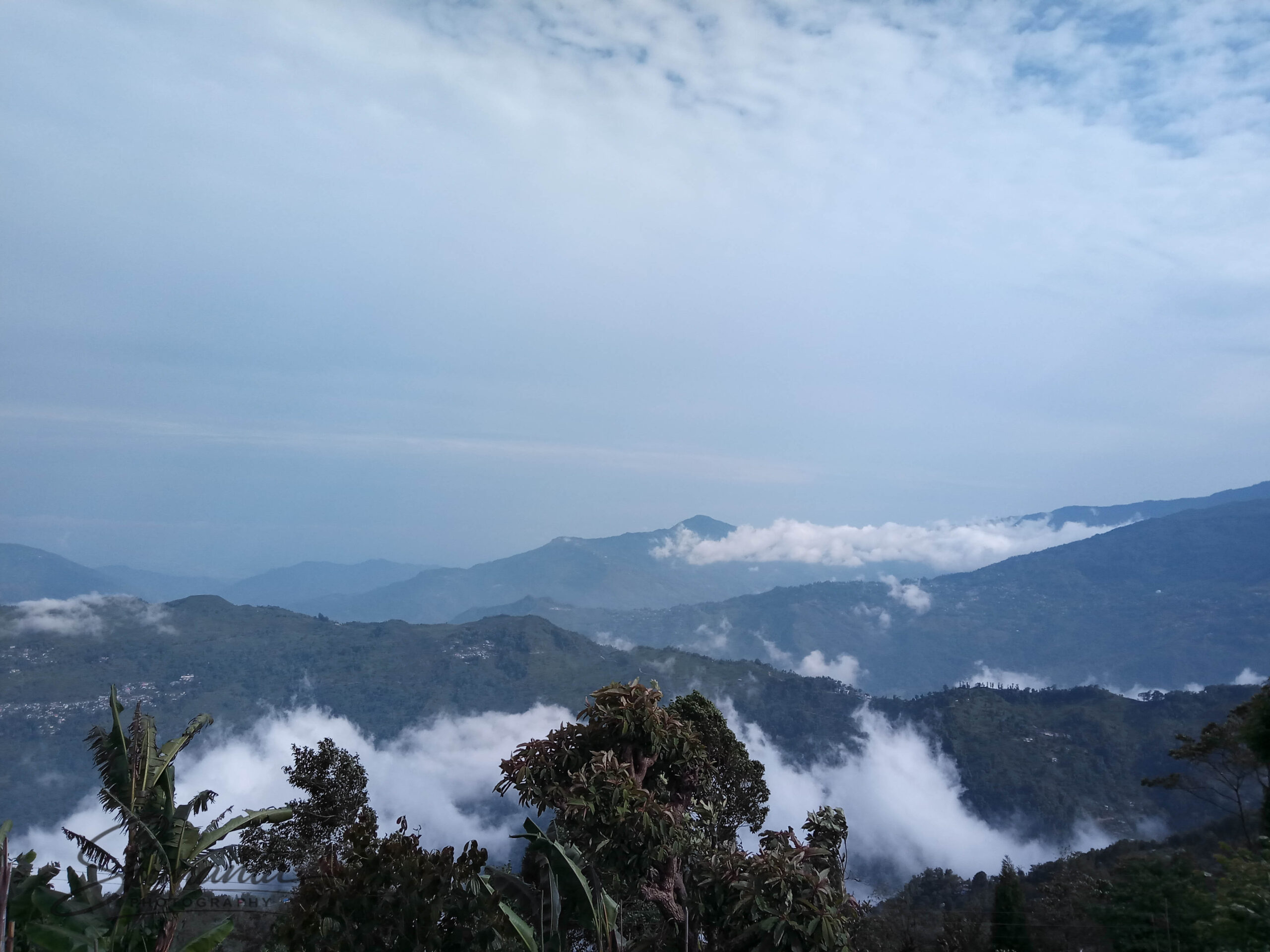

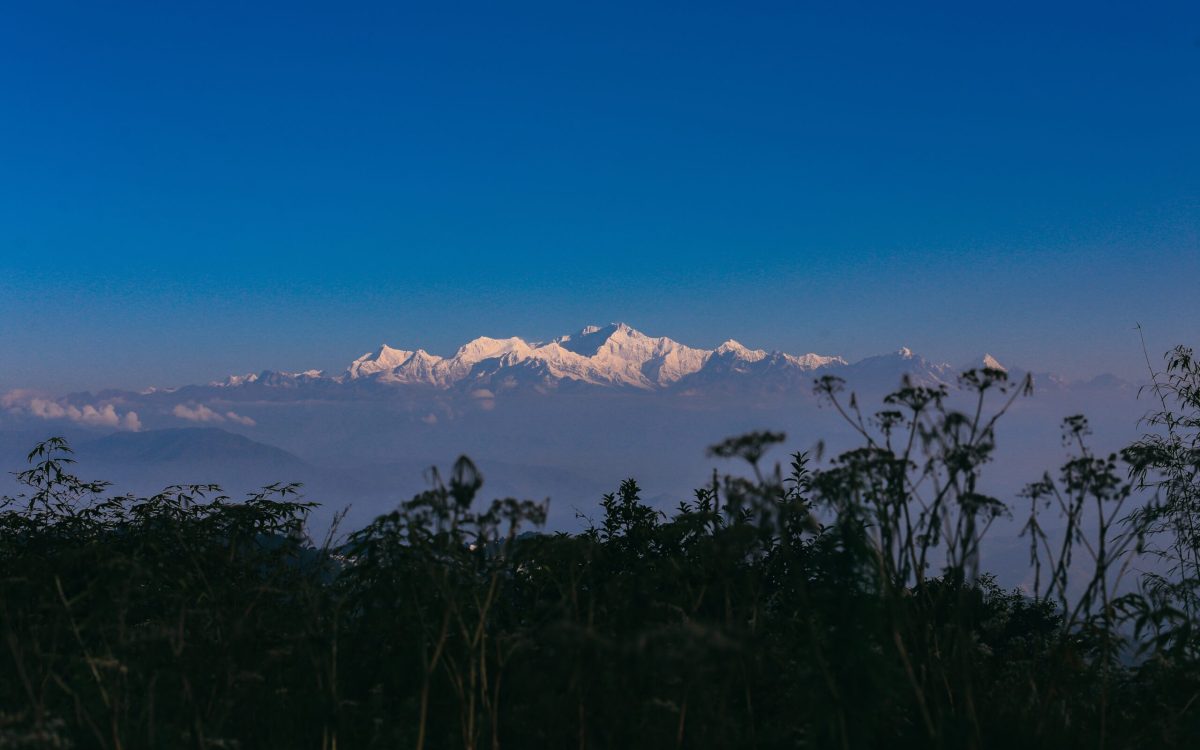
At the foothills of the Eastern Himalayas lies a land where dense forests meet sprawling tea gardens, and mist drifts gently over winding rivers. Dooars, meaning “doors,” serves as the gateway to Bhutan and Northeast India. Located in North Bengal, this region is a paradise for wildlife enthusiasts, nature lovers, and those seeking serenity away from crowded hill stations.
While many travelers combine their trip with Darjeeling, known for its colonial charm and Himalayan views, Dooars offers a completely different experience — raw wilderness, vibrant biodiversity, and immersive forest adventures.
The Landscape of Dooars: Where Plains Meet the Hills
Stretching across the districts of Alipurduar and Jalpaiguri, Dooars is characterized by lush green tea estates, riverine forests, grasslands, and wildlife sanctuaries. Unlike Darjeeling’s steep slopes, Dooars lies in the Terai and Bhabar zones — flat, fertile lands enriched by Himalayan rivers.
The Murti River flows gently through rocky banks and forested surroundings, creating a tranquil setting ideal for riverside stays and morning walks. Early sunrise over Murti, with fog floating over the water and birds calling from nearby trees, captures the true spirit of North Bengal’s wilderness.
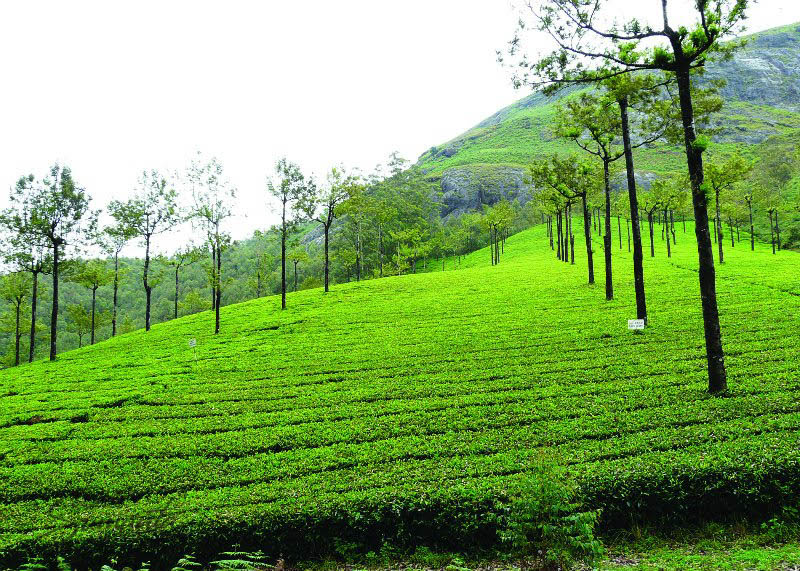
Tea gardens form an essential part of Dooars’ identity. Vast plantations stretch endlessly under open skies, with workers plucking leaves against a backdrop of forested hills. The rhythmic life of tea cultivation blends seamlessly with the surrounding wilderness.

Jaldapara National Park: Kingdom of the One-Horned Rhino
One of the crown jewels of Dooars is Jaldapara National Park, famous for its population of the Indian one-horned rhinoceros. The park’s tall elephant grass and open savannah-like terrain create ideal conditions for wildlife sightings.
An elephant safari here is an unforgettable experience. Riding atop trained elephants at dawn, visitors move silently through mist-covered grasslands in search of rhinos grazing peacefully. The proximity during elephant safaris often allows clearer sightings compared to vehicles.
For those who prefer wheels, jeep safaris operate through designated forest routes. Apart from rhinos, visitors frequently spot spotted deer, sambar deer, wild boar, Indian bison (gaur), and occasionally leopards. The park is also a haven for birdwatchers, with species such as hornbills, crested eagles, woodpeckers, and migratory birds enriching the skies.
Jaldapara’s biodiversity reflects the richness of the Eastern Himalayan ecosystem — a delicate balance of grassland and riverine forest habitats.
“I love the scents of winter! For me, it’s all about the feeling you get when you smell pumpkin spice, cinnamon, nutmeg, gingerbread and spruce.”
Neora Valley & Neora Jungle Camp: Into Untouched Wilderness
For travelers seeking deeper immersion into forest life, Neora Valley National Park offers dense, relatively unexplored terrain. Unlike Jaldapara’s grasslands, Neora Valley is thick with subtropical and temperate forests.
Staying at Neora Jungle Camp allows visitors to experience forest life more intimately. Surrounded by towering trees and distant hill views, the camp provides access to guided treks and birdwatching trails.
The region is known for rare species, including the red panda (though sightings are rare), Himalayan black bear, barking deer, and a remarkable variety of birds. The quiet forest atmosphere, broken only by rustling leaves and bird calls, creates a deeply restorative environment.
Neora’s untouched character makes it ideal for eco-tourism and responsible travel experiences.
Murti River: Serenity by the Forest
Flowing near the Gorumara forest range, the Murti River is one of Dooars’ most scenic natural attractions. During winter, the river runs shallow and clear, revealing smooth pebbled banks where visitors often sit and relax.
Evenings by Murti are particularly magical. The sky turns shades of orange and pink while forest silhouettes frame the horizon. The sound of flowing water blends with distant animal calls, offering a peaceful retreat after an adventurous safari day.
Murti also acts as a corridor for wildlife movement, connecting different forest patches. Early morning walkers often spot deer grazing near the riverbanks.
Wildlife Encounters: Beyond the Rhino
While the rhinoceros remains the star attraction, Dooars hosts a broad range of wildlife. Herds of elephants roam freely across forest corridors. Spotted deer and sambar deer move gracefully through grasslands. Peacocks display vibrant feathers, and colorful birds brighten the canopy.
Birdwatchers consider Dooars a paradise. From pied hornbills to kingfishers and jungle fowl, the diversity is striking. Winter months bring migratory species, making it a peak season for avian photography.
Jeep safaris across forest zones such as Gorumara and Chapramari further enhance wildlife exploration, offering opportunities to observe animals in their natural habitat without disturbing ecological balance.