Tucked deep in the northeastern corner of Himachal Pradesh, Kinnaur feels like a world suspended between rugged Himalayan wilderness and ancient cultural traditions. Often described as Himachal’s last frontier, this remote district rewards travelers with dramatic mountain landscapes, pristine valleys, and quiet villages that still preserve centuries-old customs. A journey through Kinnaur is not just about sightseeing — it is about experiencing a slower rhythm of life shaped by nature.
This travel route begins in Shimla and gradually unfolds through Sarahan, Sangla, Chitkul, and Kalpa — each destination revealing a different face of Kinnaur’s untouched beauty.
Shimla: Gateway to the Kinnaur Adventure
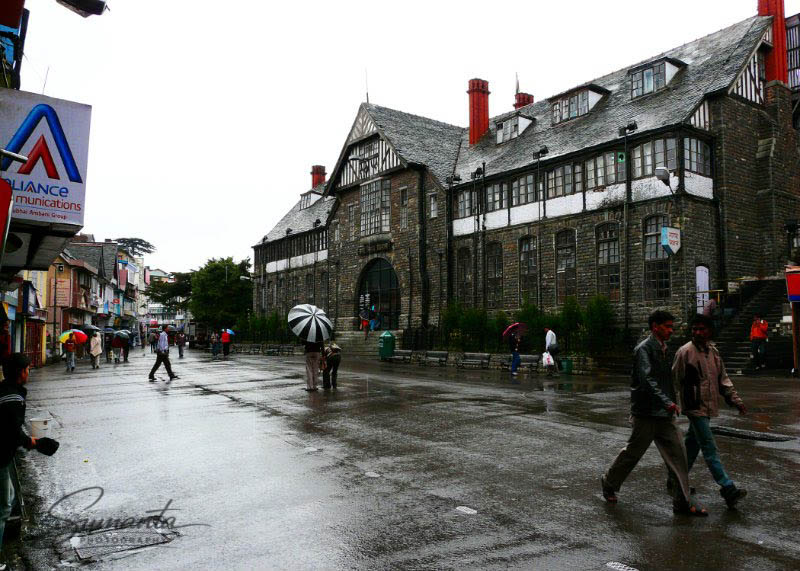
Most journeys to Kinnaur begin in Shimla, the charming colonial hill station that once served as the summer capital of British India. Perched at an altitude of over 2,200 meters, Shimla offers a refreshing introduction to the Himalayan climate and scenery.
Walking along Mall Road and the Ridge gives travelers a chance to acclimatize before heading deeper into the mountains. The architecture — old churches, wooden buildings, and heritage structures — tells stories of a bygone era. Beyond the town center, winding roads lined with pine and deodar forests hint at the dramatic terrain awaiting ahead.
Shimla is also the last major urban hub before entering the remote stretches of Kinnaur. Travelers typically stock up on essentials here and prepare for a scenic but challenging drive along the Sutlej River valley.

Sarahan: A Spiritual Retreat in the Mountains
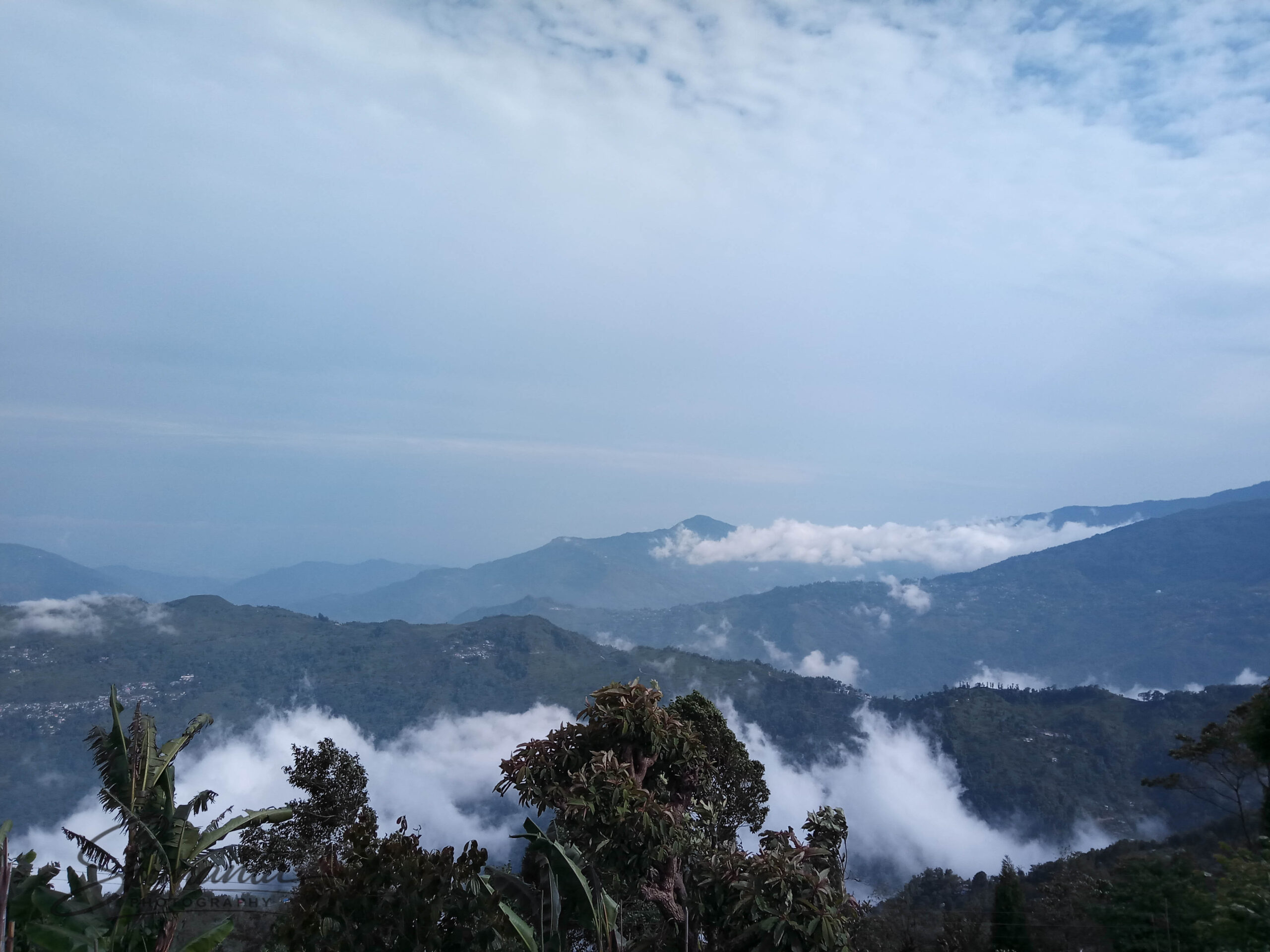
Sarahan is not just a scenic stopover on the way to Kinnaur — it is a destination that invites travelers to slow down and experience the layered character of Himalayan village life. Perched at an altitude of around 2,300 meters in the Sutlej Valley, Sarahan sits like a natural balcony overlooking deep gorges and distant snow-clad peaks. The air here feels noticeably crisp and clean, and the pace of life follows the rhythm of the mountains.
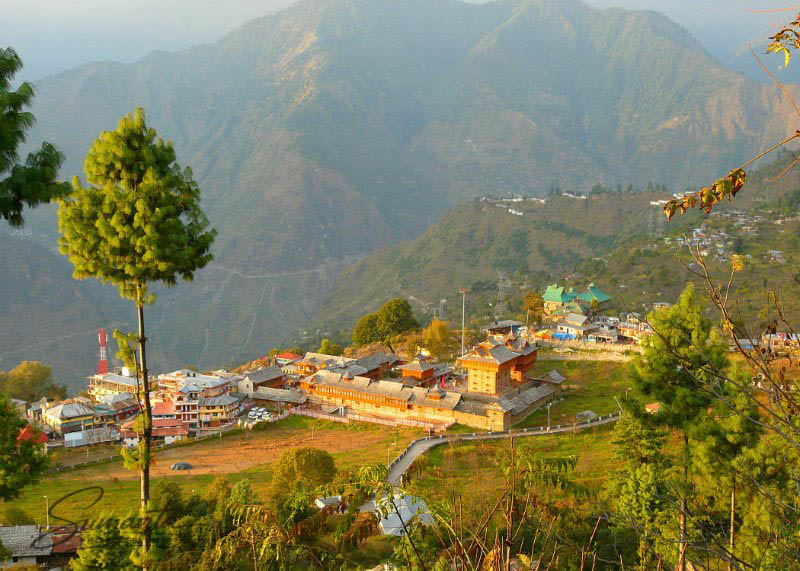
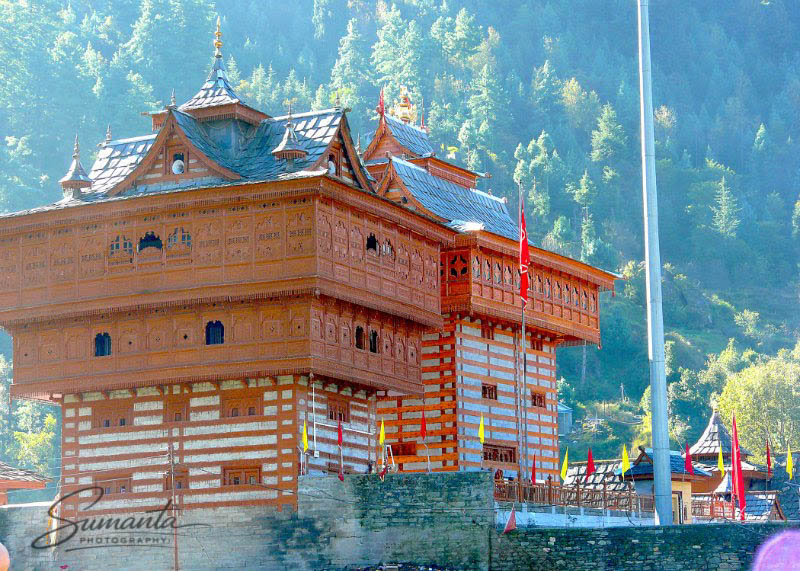
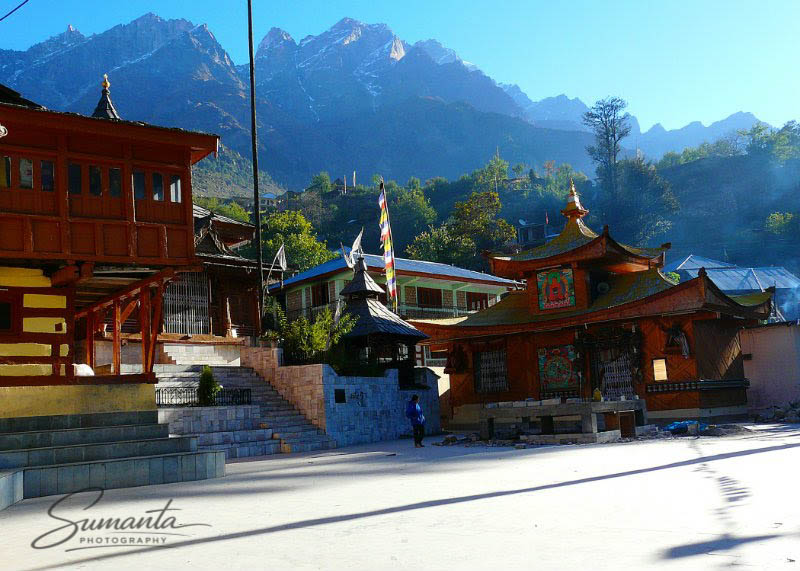
At the heart of Sarahan stands the Bhimakali Temple complex, which is both a religious center and a living museum of traditional Kinnauri architecture. The temple is dedicated to Goddess Bhimakali, believed to be an incarnation of Durga, and it remains an active place of worship for local communities. The structure is built using a unique Kath-Kuni architectural style — an earthquake-resistant technique that alternates layers of wood and stone. Inside the temple complex, intricately carved wooden panels, silver doors, and ancient idols reflect centuries of craftsmanship. Visitors often notice the quiet reverence that fills the courtyard, especially during morning and evening prayers when bells and chants echo softly through the mountain air.
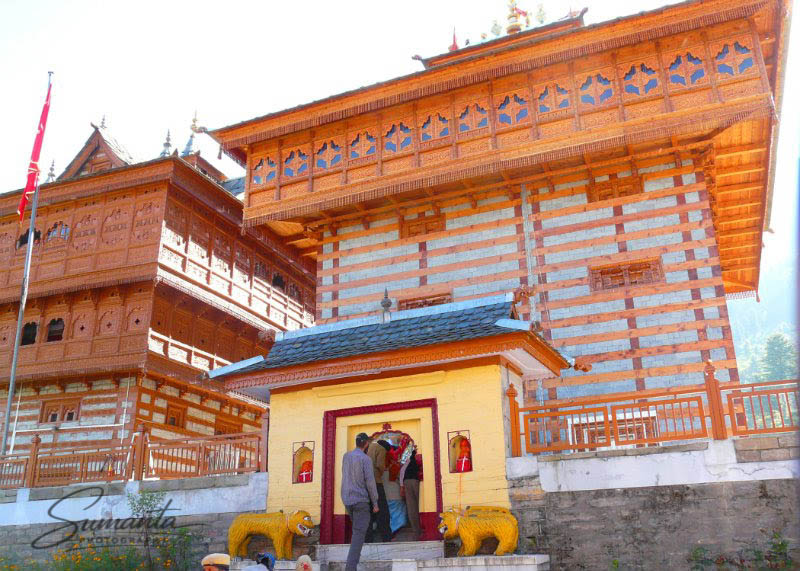
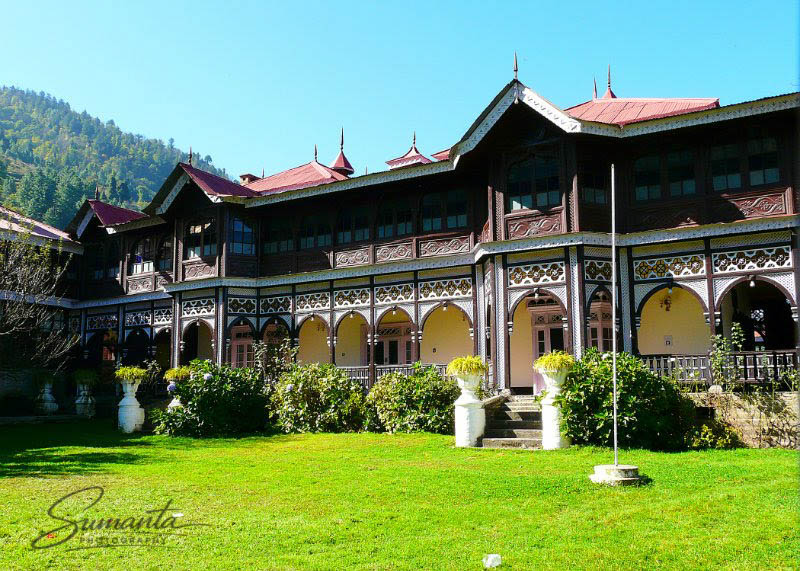
“Sarahan is a serene Himalayan village blending spiritual heritage, architecture, apple orchards, and mountain views, offering travelers a peaceful escape.”
Beyond its spiritual importance, Sarahan offers several gentle walking trails that lead through apple orchards and traditional homes. During late summer and early autumn, the orchards are heavy with fruit, and the scent of ripe apples lingers in the air. Many local families depend on horticulture, and travelers may see farmers carefully tending to their trees or sorting freshly harvested produce. These interactions provide a glimpse into the agricultural backbone of the region.
Sarahan is also home to a small pheasantry maintained by the Himachal Pradesh Forest Department, where the rare Himalayan monal — the state bird — can sometimes be observed. Nature enthusiasts appreciate the surrounding forests, which host diverse birdlife and seasonal wildflowers. Early mornings are particularly magical: mist drifts slowly across the valley, and as the sun rises, the distant Shrikhand Mahadev peak emerges in sharp clarity. The changing light paints the mountains in warm tones, creating a serene atmosphere that feels almost meditative.

Culturally, Sarahan preserves strong ties to Kinnauri traditions. Wooden houses with slate roofs, intricately decorated balconies, and prayer flags fluttering in the breeze give the village a distinctive aesthetic. Local festivals, especially those linked to the temple calendar, bring bursts of music, dance, and colorful attire. Traditional Kinnauri caps and woven shawls are commonly worn, and visitors often find small shops selling handcrafted woolens and souvenirs.
Accommodation in Sarahan typically consists of modest guesthouses and heritage-style stays that emphasize comfort without disrupting the natural environment. Evenings are quiet and restorative. As temperatures drop, the sky reveals a dense canopy of stars rarely visible in urban areas. The silence, broken only by distant temple bells or rustling leaves, reinforces Sarahan’s role as a peaceful interlude in the journey toward the more rugged terrain of Kinnaur.
Spending time in Sarahan allows travelers to adjust gradually to higher altitudes while immersing themselves in the spiritual and cultural fabric of the Himalayas. It is a place where architecture, agriculture, and devotion converge, offering an authentic introduction to the landscapes and lifestyles that define this remote mountain frontier.
Sangla Valley: Where Nature Paints in Grand Scales
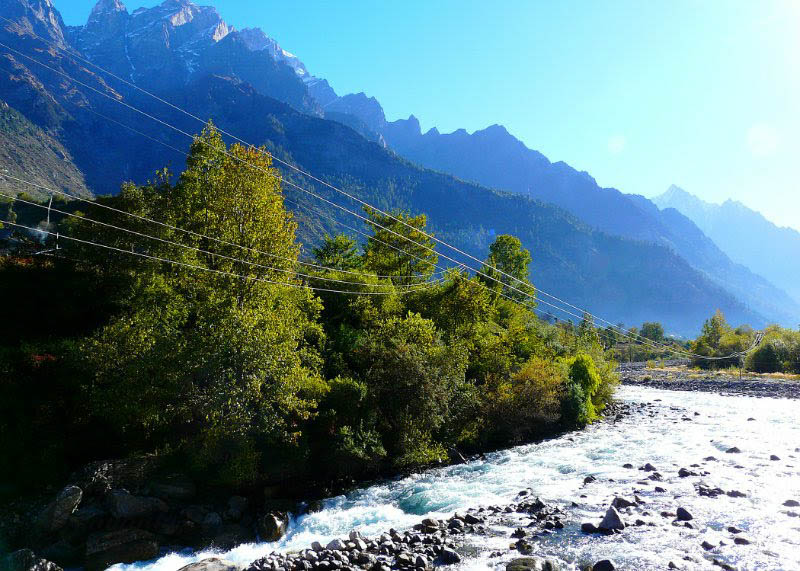
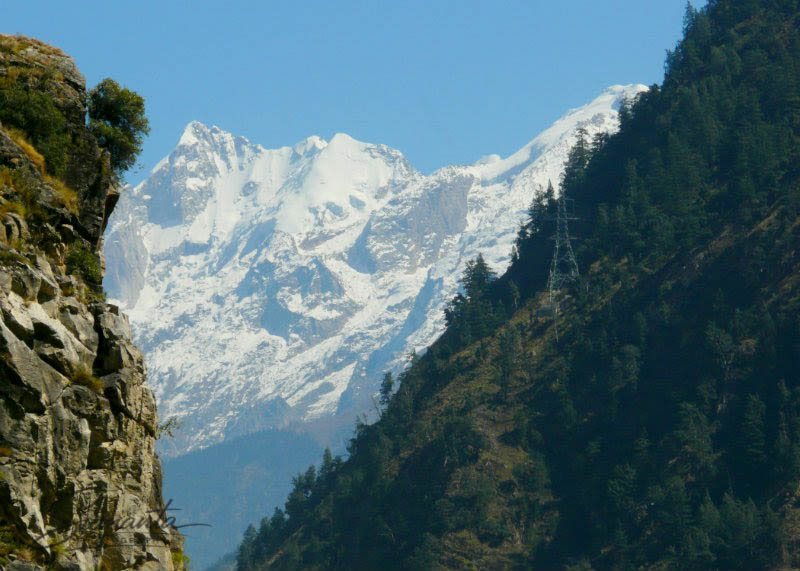
Sangla Valley unfolds like a dramatic natural amphitheater as the road descends from the Karcham junction and follows the course of the Baspa River. At an altitude of roughly 2,700 meters, the valley feels both expansive and intimate — vast in its sweeping mountain views yet close-knit in its village communities. The journey into Sangla itself is an experience, with narrow mountain roads carved into cliffs and ever-changing vistas of waterfalls, pine-covered slopes, and glacial streams feeding the river below.
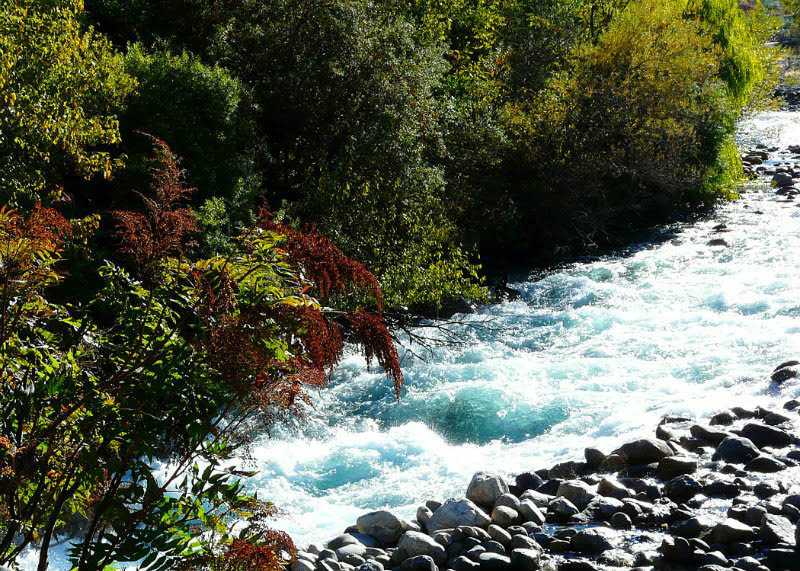
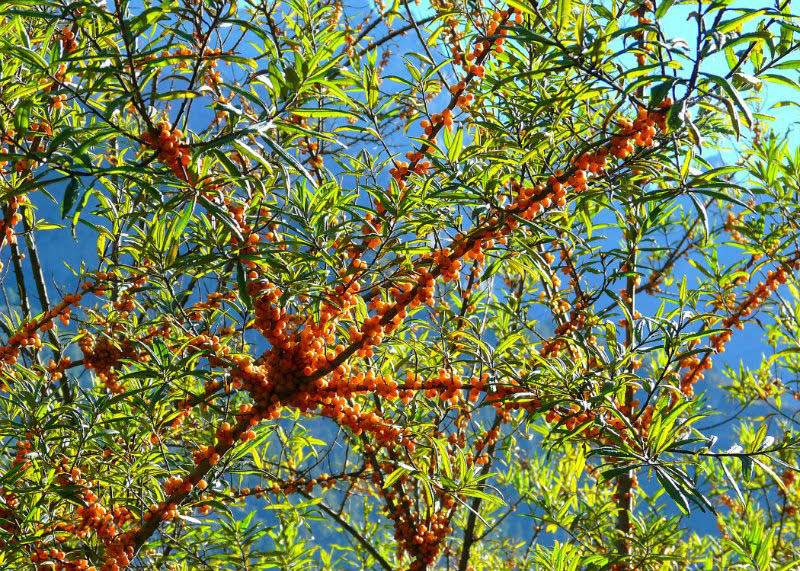
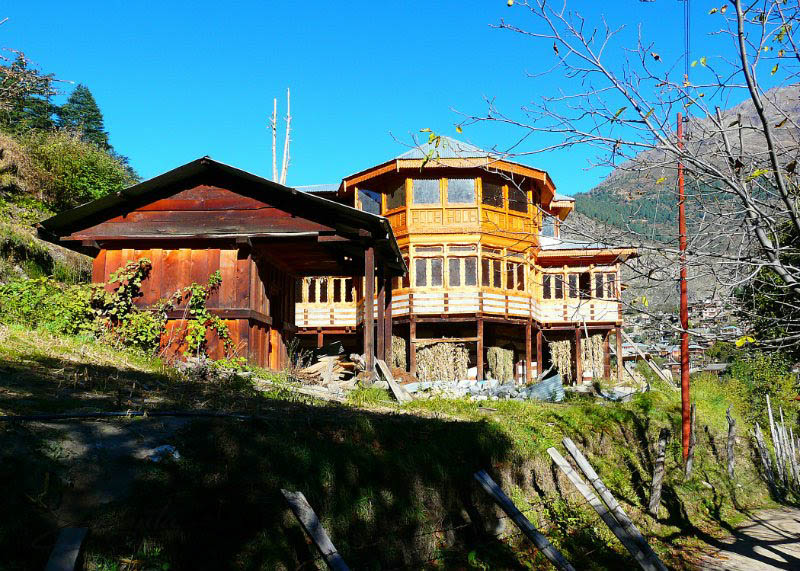
Sangla village serves as the cultural and social heart of the valley. Its wooden homes are built in the traditional Kath-Kuni style, using interlocking layers of timber and stone that provide insulation against harsh winters. Colorful prayer flags flutter from rooftops, and intricately carved balconies showcase the region’s skilled craftsmanship. Life in the village revolves around agriculture and seasonal rhythms. Apple orchards, apricot trees, and terraced barley fields form a patchwork of green during summer, while autumn transforms the landscape into warm shades of amber and gold.
Kamru Fort, located a short uphill walk from Sangla, stands as a significant historical landmark. Once the seat of the rulers of the old Bushahr kingdom, the fort houses a revered temple dedicated to Goddess Kamakhya. Visitors entering the fort complex often dress in traditional caps and shawls provided at the entrance, reflecting the deep respect locals maintain for their heritage. From the fort’s vantage point, the entire Sangla Valley stretches out below, with the Baspa River winding like a silver ribbon through the terrain.
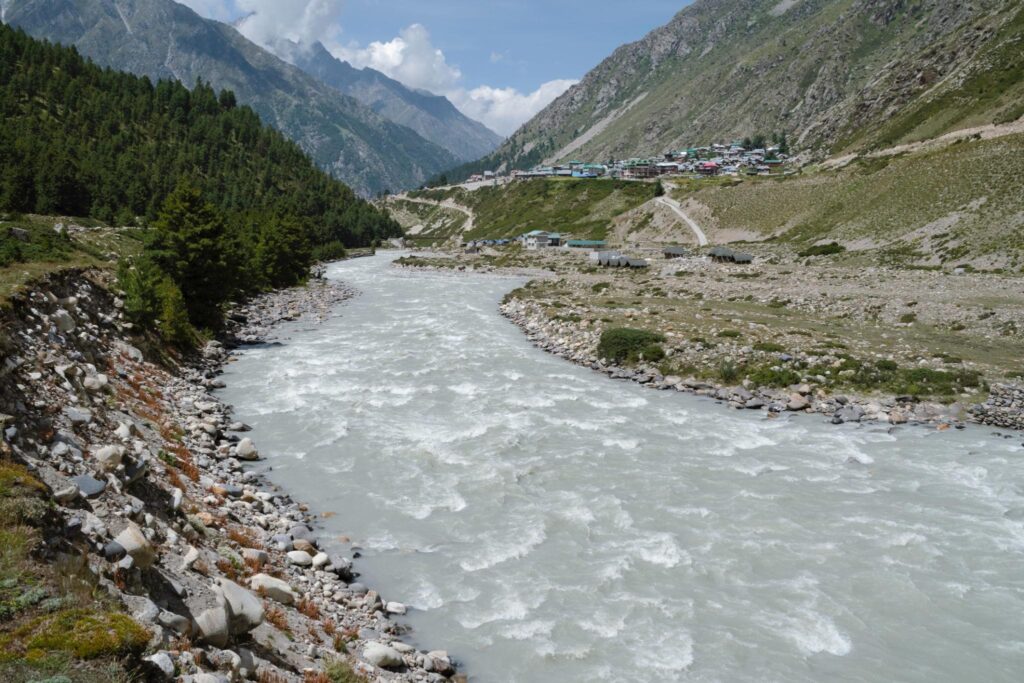
The Baspa River is the lifeline of the valley, fed by glacial meltwaters from the surrounding peaks. Its clear turquoise waters create fertile banks where wildflowers bloom in warmer months. Gentle riverside trails invite leisurely walks, picnics, and moments of quiet reflection. Adventure seekers are drawn to the valley for trekking, camping, and occasional trout fishing, while photographers find endless inspiration in the shifting light and dramatic contrasts of rock, forest, and sky.
Sangla’s climate adds to its charm. Summers are pleasantly cool, making it an ideal retreat from the heat of the plains, while winters blanket the valley in snow, lending it a fairy-tale appearance. In spring, rhododendrons and alpine flowers begin to bloom, and migratory birds return to the forests. The crisp mountain air carries the scent of pine and fresh earth, heightening the sensory experience of the landscape.

“Sangla Valley enchants with dramatic mountains, vibrant culture, riverside serenity, traditional villages, and seasonal colors, offering immersive Himalayan natural and cultural beauty.”
Culturally, Sangla remains deeply rooted in Kinnauri traditions. Local festivals feature folk music, masked dances, and vibrant attire, offering visitors a glimpse into centuries-old customs. Small markets and homestays allow travelers to interact closely with residents, sample regional cuisine, and learn about daily life in a high-altitude Himalayan community.
As evening falls, the valley grows quiet except for the steady murmur of the river. Snow peaks glow faintly under the fading light, and the sky gradually fills with stars. In these moments, Sangla reveals its true essence — a place where natural grandeur and human tradition exist in harmonious balance, inviting travelers to pause and fully absorb the spirit of the Himalayas.
Culturally, Sangla remains deeply rooted in Kinnauri traditions. Local festivals feature folk music, masked dances, and vibrant attire, offering visitors a glimpse into centuries-old customs. Small markets and homestays allow travelers to interact closely with residents, sample regional cuisine, and learn about daily life in a high-altitude Himalayan community.
As evening falls, the valley grows quiet except for the steady murmur of the river. Snow peaks glow faintly under the fading light, and the sky gradually fills with stars. In these moments, Sangla reveals its true essence — a place where natural grandeur and human tradition exist in harmonious balance, inviting travelers to pause and fully absorb the spirit of the Himalayas.
Chitkul: India’s Last Inhabited Village Near the Border
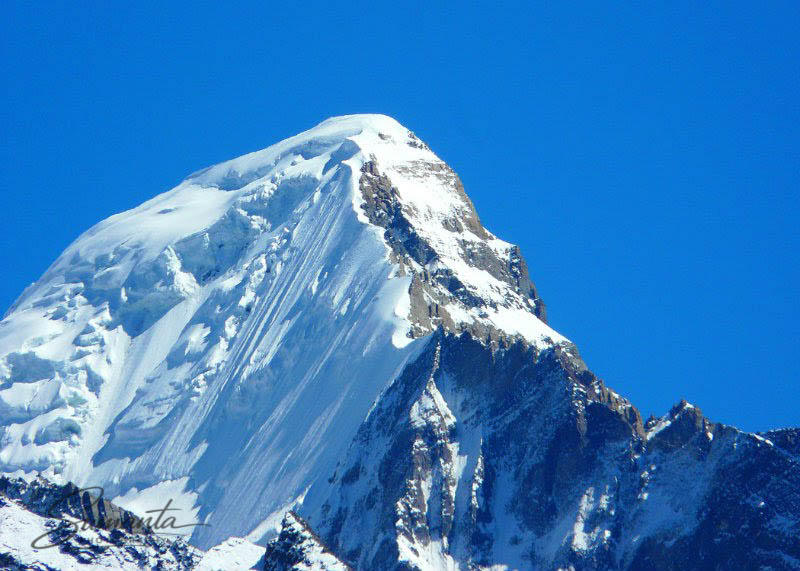
Chitkul marks the dramatic end of the Baspa Valley road and represents one of the most remote civilian settlements accessible to travelers in Himachal Pradesh. Located close to the Indo-Tibetan border, the village sits in a high-altitude cold desert zone where the terrain begins to transition from forested valleys to stark alpine landscapes. The approach to Chitkul itself is memorable: the road narrows as it winds through rocky cliffs and glacial streams, opening suddenly into a wide valley framed by towering, snow-draped peaks.
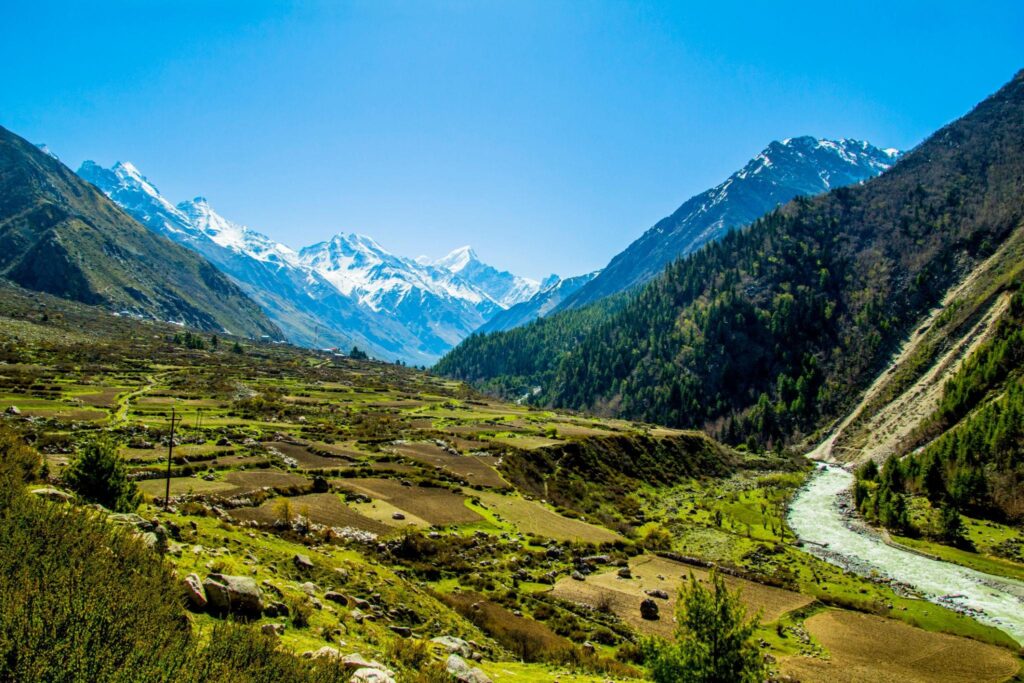
Despite its remoteness, Chitkul has a strong sense of community shaped by centuries of adaptation to extreme weather. Winters here are long and severe, often cutting the village off from the rest of the region under heavy snowfall. As a result, local architecture is designed for insulation and durability. Homes built from wood and stone feature small windows, thick walls, and sloping slate roofs that withstand snow accumulation. Intricate carvings on doors and balconies reflect traditional Kinnauri artistry, while small temples scattered through the village reveal deep spiritual roots.
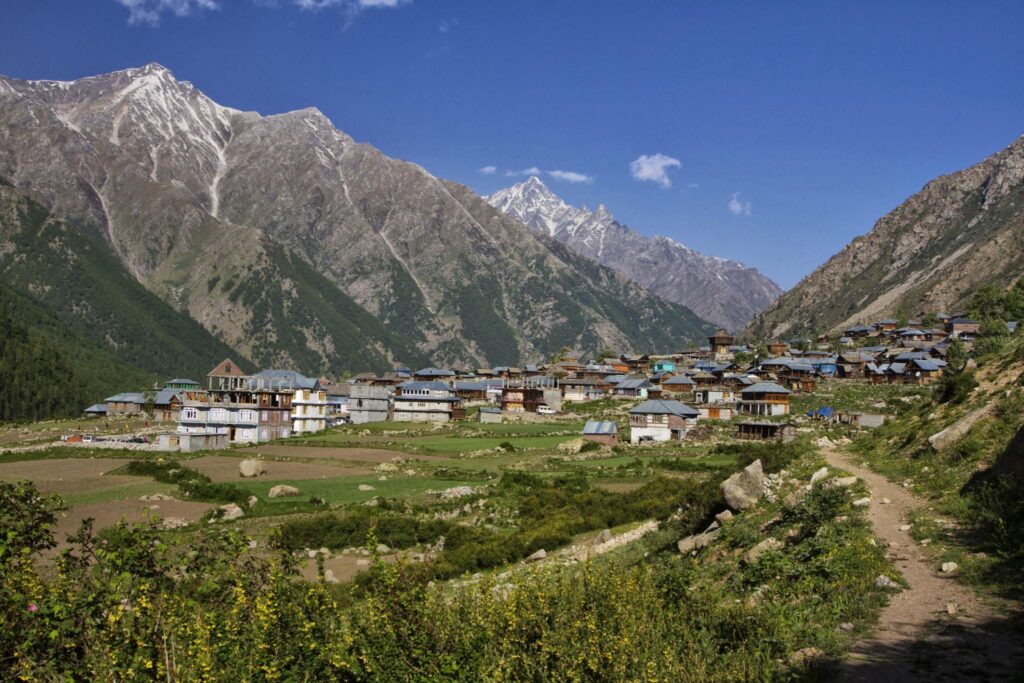
Agriculture in Chitkul is limited by altitude but remains central to daily life. During the brief summer growing season, villagers cultivate hardy crops such as potatoes, buckwheat, and peas. Green fields contrast sharply with the rugged mountains, creating a striking visual balance. Livestock rearing also plays an important role, and travelers may see herds grazing along the valley floor.
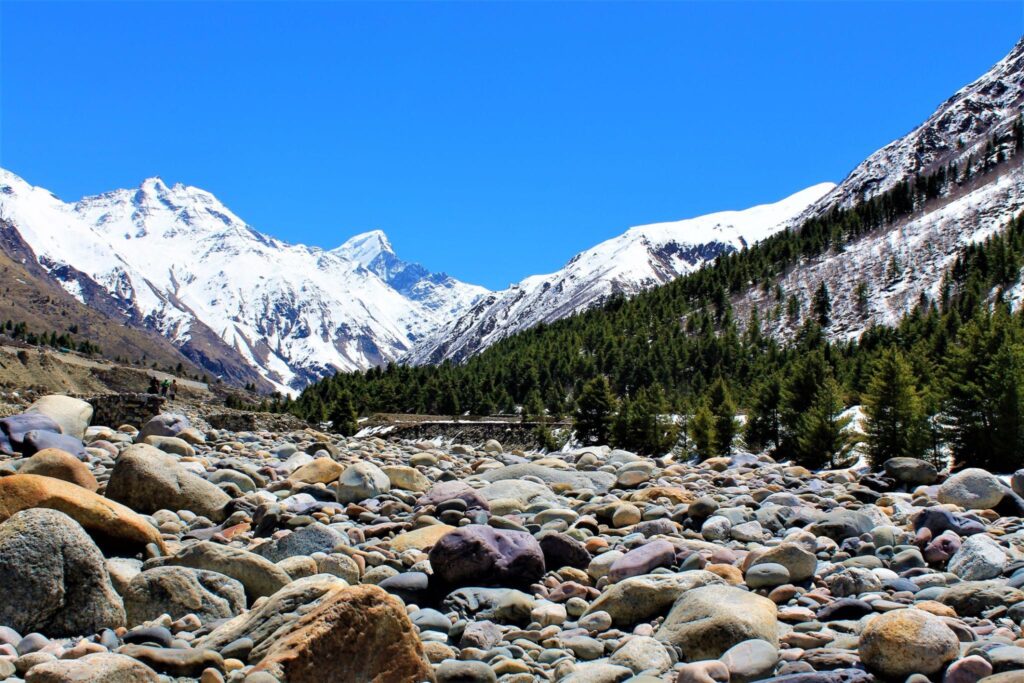
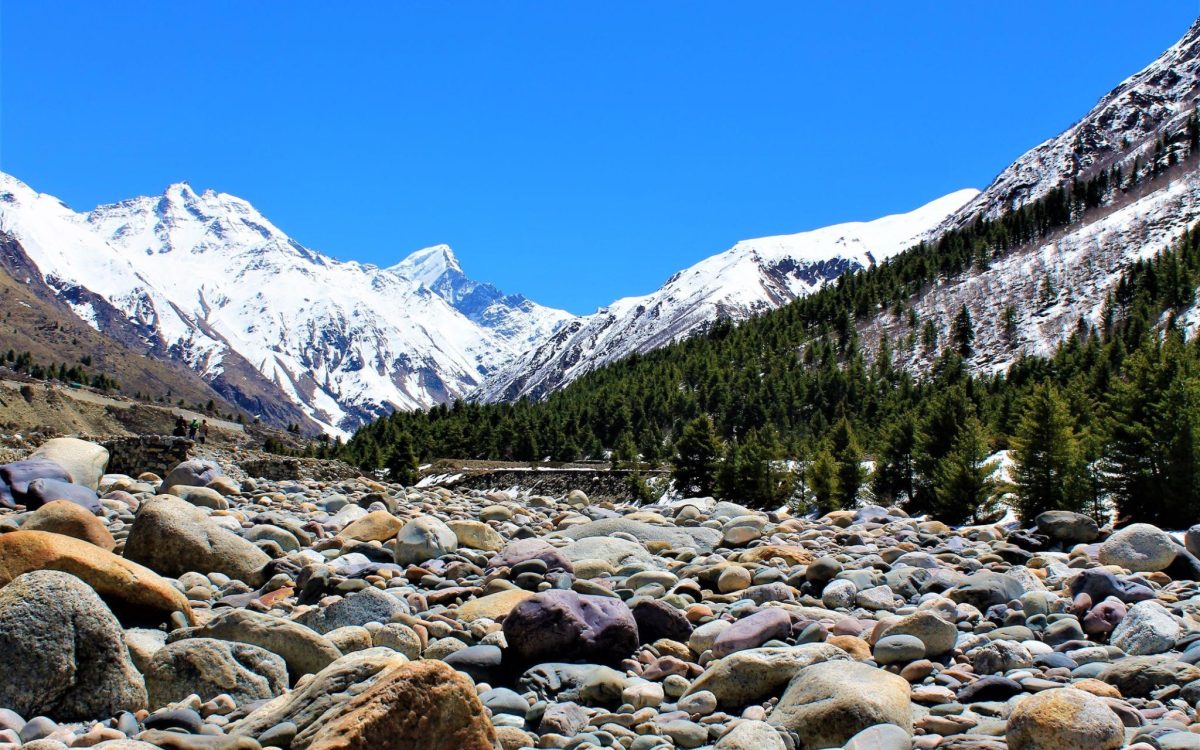
The Baspa River defines the geography and atmosphere of Chitkul. Here it spreads into a braided network of channels across a broad, stony plain. The riverbanks invite quiet exploration, whether walking across smooth pebbles or sitting to watch clouds drift over the peaks. The clarity of the air and the absence of urban noise create an almost meditative environment. Sunrises and sunsets are particularly dramatic, as shifting light casts deep shadows and warm highlights across the mountains.
Chitkul is also a gateway for high-altitude trekking routes that extend toward remote Himalayan passes. While many visitors come for day trips from Sangla, those who stay overnight experience the village’s true character. Evenings are defined by sudden temperature drops, glowing hearth fires inside homes, and skies dense with stars. Conversations with local residents often reveal stories of seasonal migration, folklore, and traditions preserved through generations.
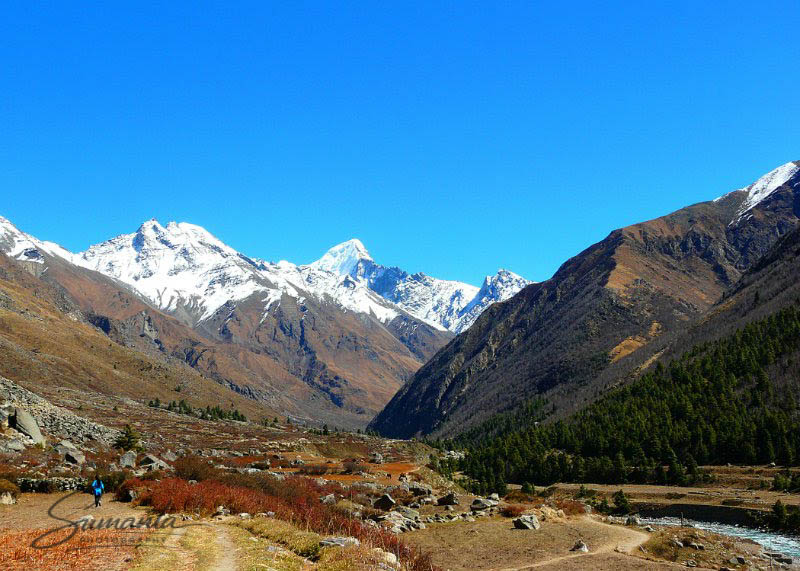
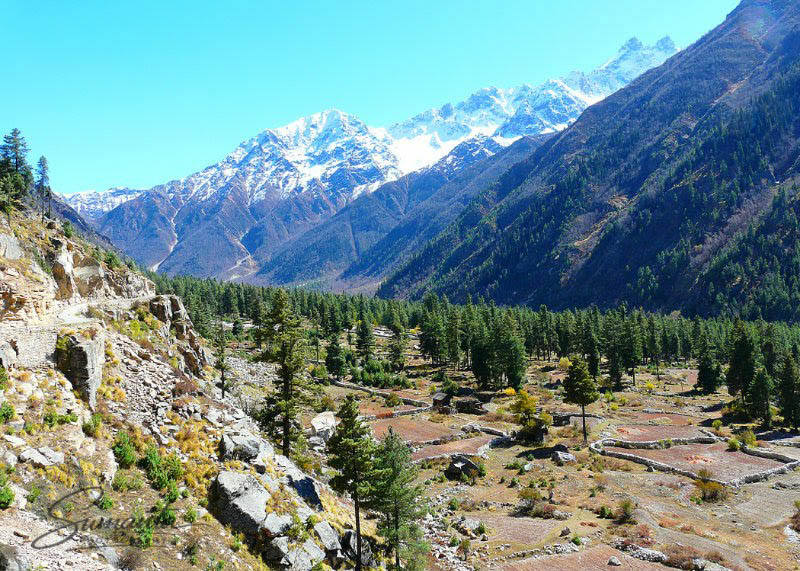
What distinguishes Chitkul is its overwhelming sense of scale and isolation. The landscape feels vast and elemental, reminding travelers of nature’s dominance in this frontier region. Time seems to stretch in the stillness, allowing visitors to disconnect from modern distractions and engage fully with the raw textures of the high Himalayas.
“Sangla Valley enchants with dramatic mountains, vibrant culture, riverside serenity, traditional villages, and seasonal colors, offering immersive Himalayan natural and cultural beauty.”